
How Encapsulation Reduces HVAC Strain and Energy Bills in Georgia Homes
How Encapsulation Reduces HVAC Strain and Energy Bills in Georgia Homes
Georgia homeowners know the challenge of keeping a house comfortable through long, hot summers and humid shoulder seasons. When indoor temperatures feel uneven or utility bills keep climbing, the problem often starts in the attic, crawl space, or wall cavities—not just with the HVAC system itself.
One of the most effective ways to improve comfort and lower energy costs is through encapsulation. By sealing off crawl spaces, attics, or other areas from outside air and moisture, encapsulation helps your heating and cooling system work less while delivering better results.
What Is Encapsulation?
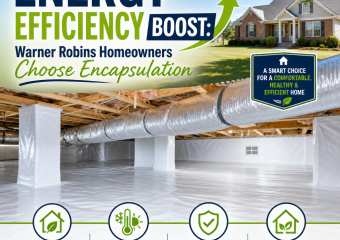
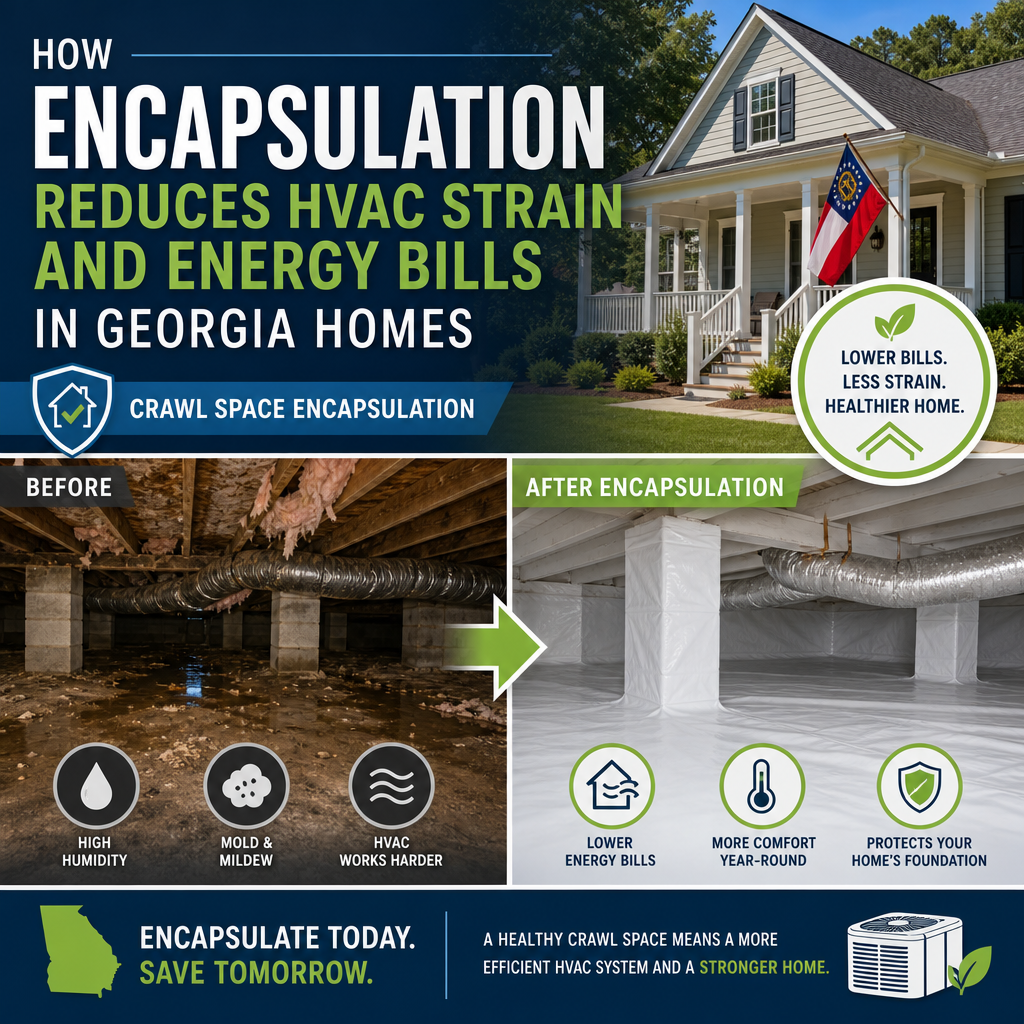
Encapsulation is the process of sealing a home’s unconditioned spaces to control air movement, humidity, and moisture. In Georgia homes, this often means covering crawl space floors and walls with a vapor barrier, sealing vents and gaps, and sometimes adding insulation and dehumidification.

The goal is simple: stop outside conditions from affecting your home’s interior as much.
In a humid climate like Georgia’s, that matters a lot. Hot, damp air constantly tries to enter the home, forcing the HVAC system to run longer and harder to maintain a stable temperature.
Why Georgia Homes Need It
Georgia’s climate creates a perfect storm for energy loss. Summers are hot and muggy, while spring and fall can swing between damp and dry. That means HVAC systems are constantly adjusting to changing conditions.
Without encapsulation, common problem areas include:
- Crawl spaces that pull in humid outdoor air
- Attics that trap extreme heat
- Gaps and leaks that let conditioned air escape
- Moisture buildup that encourages mold and wood rot
These issues don’t just affect comfort. They make your HVAC system cycle more often, use more electricity, and wear out faster.
How Encapsulation Reduces HVAC Strain
When a home is properly encapsulated, the HVAC system no longer has to compensate for so much uncontrolled air and moisture. That reduction in load can have a noticeable impact.
1. It Keeps Humidity Under Control
Humidity is one of the biggest energy drains in Georgia homes. When too much moisture enters the house, the air conditioner has to do extra work removing water vapor from the air.
Encapsulation helps by limiting moisture intrusion from crawl spaces and other areas. That makes it easier to keep indoor humidity at a comfortable level, which reduces the workload on your cooling system.
2. It Stabilizes Indoor Temperatures
Air leaks and unsealed spaces create temperature swings throughout the home. Rooms over crawl spaces may feel colder in winter or warmer in summer, depending on the season.
By sealing these areas, encapsulation helps keep indoor temperatures more consistent. The HVAC system doesn’t need to constantly compensate for hot spots, cold spots, or drafts.
3. It Reduces Air Infiltration
Every time outside air enters the home, your HVAC system has to treat it—cool it, heat it, or dehumidify it. That takes energy.
Encapsulation reduces the amount of outside air sneaking into the home through the crawl space or other vulnerable areas. Less infiltration means less wasted energy.
4. It Helps HVAC Equipment Last Longer
An overworked HVAC system is more likely to need repairs and replacement sooner. Constant cycling, especially in high humidity, puts strain on fans, compressors, coils, and ductwork.
Encapsulation lowers that strain. When your system operates under more controlled conditions, it usually runs more efficiently and experiences less wear over time.
How It Lowers Energy Bills
Energy savings are one of the biggest reasons homeowners choose encapsulation. Once the home envelope is tighter and moisture is better controlled, the HVAC system can run more efficiently.
Here’s how that translates into lower bills:
- The system runs fewer cycles
- Cooling and heating loads are reduced
- Dehumidification becomes easier
- Air loss through leaks is minimized
- Indoor comfort improves without overcooling or overheating
Even a small improvement in efficiency can make a difference during Georgia’s long cooling season. Over time, those monthly savings add up.
Better Comfort Without Turning the Thermostat Down
Many homeowners respond to humidity and hot spots by lowering the thermostat. That usually increases energy use without solving the root problem.
Encapsulation addresses the source of discomfort instead. When the home holds conditioned air more effectively, you may feel just as comfortable at a higher thermostat setting. That means less runtime and lower utility bills.
Other Benefits Beyond Energy Savings
Encapsulation does more than reduce HVAC strain. It can also improve overall home health and durability.
Fewer Moisture Problems
Moisture in crawl spaces can lead to mold growth, wood deterioration, and pest issues. Sealing these areas helps reduce the conditions that allow those problems to develop.
Improved Indoor Air Quality
Air from crawl spaces and other unconditioned areas can carry dust, odors, and allergens into the living space. Encapsulation can limit this pathway and help create a cleaner indoor environment.
More Predictable Maintenance
When a home stays drier and more stable, HVAC technicians can often diagnose and maintain the system more effectively. A controlled environment makes the whole house easier to manage.
Is Encapsulation Worth It?
For many Georgia homeowners, the answer is yes—especially if the home has a vented crawl space, high humidity, or uneven temperatures. While encapsulation is an upfront investment, the long-term benefits often include lower energy bills, less HVAC wear, and greater comfort throughout the year.
It’s especially valuable in homes where the air conditioner seems to run nonstop or where certain rooms never feel quite right. In those cases, the HVAC system may not be the real problem. The real issue may be the home’s lack of control over air and moisture.
Final Thoughts
Encapsulation is one of the smartest upgrades for Georgia homes because it tackles the root causes of HVAC strain: humidity, air leaks, and unstable temperatures. By sealing and controlling vulnerable areas, homeowners can ease the burden on their heating and cooling systems and see meaningful energy savings.
If your HVAC system is working harder than it should, encapsulation may be the missing piece that helps your home stay cooler, drier, and more efficient.