
How Encapsulation Improves Indoor Air Quality for Georgia Families
How Encapsulation Improves Indoor Air Quality for Georgia Families
Indoor air quality matters in every home, but it can be a bigger concern in Georgia. Warm temperatures, high humidity, and long cooling seasons can create the perfect conditions for moisture problems in crawl spaces and basements. When that moisture is allowed to linger, it can affect the air your family breathes every day.
One of the most effective ways to protect indoor air quality is through encapsulation. By sealing off crawl spaces from outside air, ground moisture, and pests, encapsulation helps create a cleaner, healthier home environment.
What Is Encapsulation?
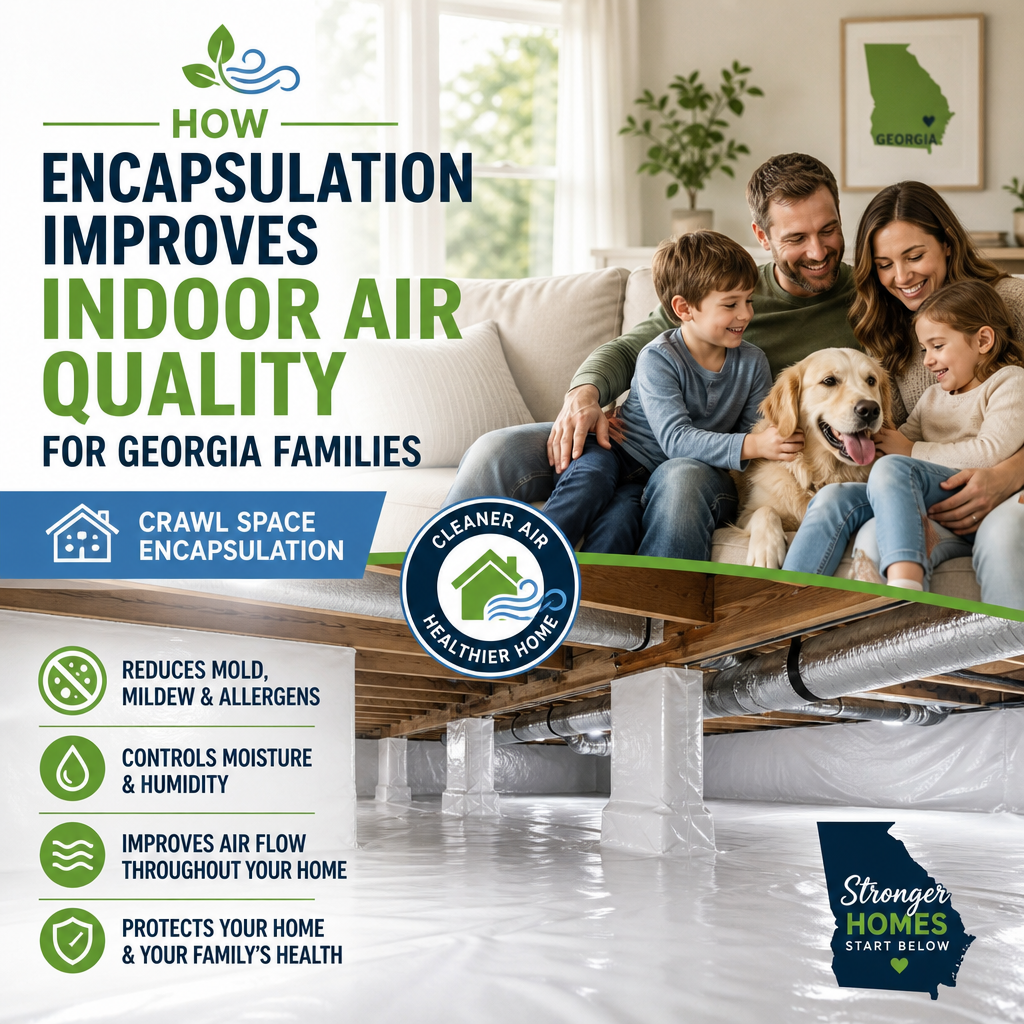
Encapsulation is the process of sealing a crawl space with a heavy-duty vapor barrier and other protective materials. In many cases, it also includes:

- Sealing vents and gaps
- Insulating walls or floors
- Installing dehumidification
- Addressing drainage issues
- Controlling pests and air leaks
Instead of leaving the crawl space open to outdoor humidity and moisture, encapsulation turns it into a dry, controlled space.
Why Georgia Homes Need It
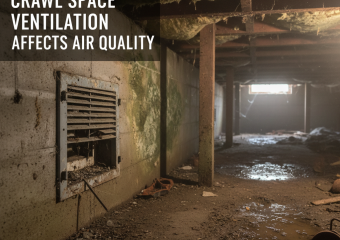
Georgia’s climate can be tough on homes. Hot, humid air often finds its way into crawl spaces, where it condenses on cooler surfaces. Over time, that moisture can lead to:
- Mold growth
- Mildew odors
- Wood rot
- Dust mite buildup
- Higher pollen and allergen levels
Because crawl spaces are connected to the rest of the house, problems below can easily affect the air above. Encapsulation helps stop those issues at the source.
How Encapsulation Improves Indoor Air Quality
1. Reduces Mold and Mildew
Moisture is one of the main causes of mold growth. In an unsealed crawl space, humid air and damp ground create the ideal environment for mold to spread.
Encapsulation blocks that moisture and helps keep humidity levels under control. When mold has less chance to grow, the air in the home becomes cleaner and safer for your family.
2. Limits Musty Odors
That damp, earthy smell many homeowners notice in older homes often comes from the crawl space. Those odors can travel upward through floor gaps and ductwork.
Encapsulation reduces the source of those smells by keeping the crawl space dry and sealed. The result is a fresher, more comfortable home.
3. Helps Control Allergens
Georgia families know that pollen can be a year-round issue, especially during spring and fall. Crawl spaces can collect dust, pollen, and other airborne particles that then circulate indoors.
A sealed crawl space makes it harder for allergens to enter and spread. This can be especially helpful for people with asthma, allergies, or other respiratory concerns.
4. Improves Humidity Levels Indoors
High indoor humidity can make a home feel sticky and uncomfortable. It can also encourage dust mites and mold growth.
Encapsulation helps regulate moisture at the foundation level, which can support more balanced indoor humidity throughout the house. That often means a more comfortable living space and less strain on your HVAC system.
5. Reduces Pest Problems
Pests like insects and rodents are drawn to damp, dark crawl spaces. Once inside, they can leave behind droppings, dander, and debris that contribute to poor air quality.
Encapsulation helps block entry points and creates a less inviting environment for pests. Fewer pests means fewer contaminants affecting the air your family breathes.
Extra Benefits for Georgia Homeowners
Encapsulation does more than improve the air. It can also offer long-term benefits that make it a smart home investment.
Better Energy Efficiency
When outside air and moisture are kept out, your HVAC system does not have to work as hard. That can lead to:
- Lower energy use
- More consistent indoor temperatures
- Less wear on heating and cooling equipment
Protection for Your Home’s Structure
Moisture can damage wood framing, insulation, and ductwork over time. By keeping the crawl space dry, encapsulation helps protect the structural components of your home.
Increased Comfort
A dry, sealed crawl space can help reduce drafts and cold floors in winter and muggy conditions in summer. That makes the whole house feel more comfortable year-round.
Signs Your Home May Need Encapsulation
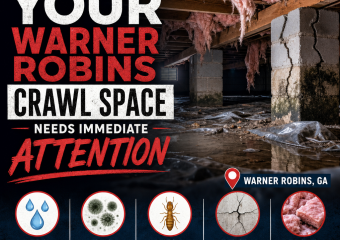
You may want to consider encapsulation if you notice:
- Musty odors in the house
- High indoor humidity
- Visible mold or mildew
- Standing water or damp soil in the crawl space
- Sagging insulation or wood damage
- Frequent pest activity
- Uneven temperatures or humid rooms
If any of these sound familiar, your crawl space could be affecting your family’s indoor air quality more than you realize.
A Healthier Home Starts Below
For Georgia families, indoor air quality is closely tied to what happens in the crawl space. When moisture, mold, and allergens build up below the home, they can easily make their way into the air you breathe.
Encapsulation offers a practical way to solve the problem at its source. By sealing and controlling the crawl space, you can help create a drier, cleaner, and healthier home for everyone inside.
If you want to improve comfort, reduce allergens, and protect your home from moisture-related damage, encapsulation is one of the best steps you can take.