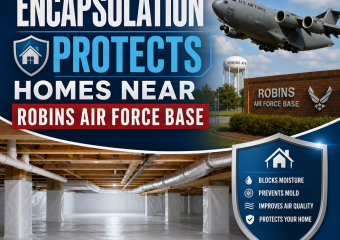

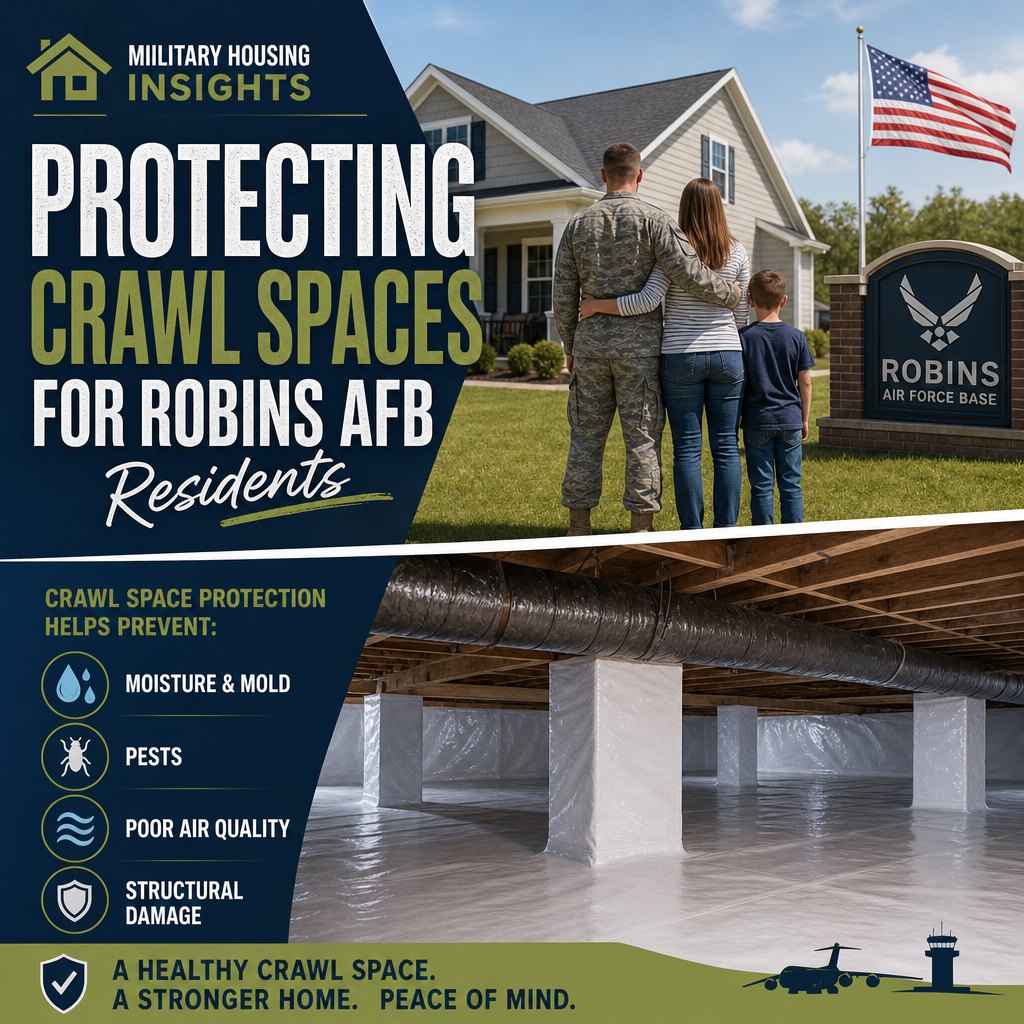
Military Housing Insights: Protecting Crawl Spaces for Robins AFB Residents
Military Housing Insights: Protecting Crawl Spaces for Robins AFB Residents
Living near Robins AFB comes with many advantages, from a strong sense of community to access to essential military support. But like any Georgia home, military housing in the area faces its own maintenance challenges. One of the most overlooked areas is the crawl space. Whether you live in base housing or nearby off-base property, protecting this hidden part of the home can make a major difference in comfort, safety, and long-term value.
Crawl spaces often go unseen for months at a time, which makes them easy to ignore. Yet they are exposed to moisture, pests, humidity, and shifting temperatures. In Middle Georgia, those conditions can quickly lead to mold, wood damage, insulation problems, and poor indoor air quality. That is why crawl space protection for Robins AFB residents should be a priority, not an afterthought.
Why Crawl Spaces Matter in Military Housing
Crawl spaces support the home in ways most people do not notice every day. They help elevate the structure, allow access to plumbing and electrical systems, and can influence airflow and insulation.

When a crawl space is poorly protected, problems often spread into the rest of the home. Common issues include:
- Musty odors drifting into living areas
- Increased humidity indoors
- Higher energy bills
- Pests entering through gaps or openings
- Mold growth on wood or insulation
- Damage to subflooring and floor joists
For families stationed at or near Robins AFB, these issues can create unnecessary stress. Frequent moves, deployments, and busy schedules make it even more important to catch problems early and keep maintenance manageable.
Moisture Is the Biggest Threat
Georgia’s climate brings warm temperatures and plenty of humidity, especially during spring and summer. Crawl spaces tend to trap that moisture, creating the perfect environment for mold and decay. Heavy rain, poor drainage, and plumbing leaks can make the problem worse.
A damp crawl space may not seem urgent at first, but over time it can weaken structural materials and encourage pest activity. Even if the floor above still feels solid, moisture can quietly affect the home’s health.
Warning signs to watch for
Robins AFB residents should keep an eye out for these signs of crawl space moisture:
- Condensation on pipes or vents
- Soft or bouncy floors
- Musty smells inside the home
- Visible mold or mildew
- Standing water or wet soil
- Increased insect or rodent activity
If any of these appear, it may be time for a closer inspection.
Practical Steps to Protect a Crawl Space
Good crawl space care does not always require a major renovation. In many cases, a few preventive steps can go a long way. The goal is to keep moisture out, reduce humidity, and seal off entry points for pests.
1. Control water around the foundation
Start outside the home. Gutters, downspouts, and grading all play a role in keeping water away from the foundation. Make sure:
- Gutters are clean and draining properly
- Downspouts extend away from the home
- Soil slopes away from the foundation
- Standing water is not collecting near the house
These small fixes can reduce the amount of water that reaches the crawl space.
2. Seal vents and openings
Many older homes were built with crawl space vents designed to improve airflow. In humid climates, however, those vents can sometimes do more harm than good by letting moist air inside. Sealing gaps, cracks, and openings can help create a more controlled environment.
This also helps keep out pests such as ants, spiders, rodents, and termites, which are common concerns in Georgia.
3. Add a vapor barrier
A vapor barrier is a thick plastic liner placed over the crawl space floor and sometimes up the walls. Its job is to block moisture from the ground and reduce humidity levels. When installed properly, it can help protect framing, insulation, and mechanical systems from long-term damage.
4. Improve insulation and air sealing
Insulation in a crawl space should remain dry and intact. If it is sagging, moldy, or falling apart, it may no longer be doing its job. Air sealing around pipes, ducts, and floor openings can also reduce drafts and help the home stay more energy efficient.
5. Monitor for pests regularly
Crawl spaces are attractive to pests because they offer shelter, moisture, and easy access points. Routine inspections can catch infestation signs early before they spread into walls or living areas.
Why Early Action Saves Time and Money
Military families often have enough on their plates without dealing with preventable home repairs. Taking care of the crawl space early can avoid larger problems later, such as foundation damage, flooring replacement, or mold remediation.
A healthy crawl space can also improve indoor comfort. When moisture is under control, the home often feels cleaner, fresher, and easier to cool during hot Georgia summers. That means fewer maintenance headaches and better peace of mind for busy households.
A Smart Home Maintenance Priority
For Robins AFB residents, crawl space care is more than a technical issue. It is part of protecting family comfort, home value, and day-to-day stability. With the area’s humidity and seasonal rain, neglecting this hidden space can lead to avoidable damage.
By paying attention to moisture, sealing openings, and keeping water away from the foundation, homeowners and renters alike can reduce risk and maintain a healthier home environment. In a place where military life already demands flexibility and resilience, protecting the crawl space is a simple but important way to support the home from the ground up.