How AI Diagnostics Improve Crawl Space Inspections in Warner Robins
How AI Diagnostics Improve Crawl Space Inspections in Warner Robins
Crawl spaces are easy to ignore until problems start showing up inside the home. Moisture, mold, insulation damage, pests, and hidden structural issues often begin below the floor, where they can spread unnoticed for months. That is why AI diagnostics are becoming a valuable tool for crawl space inspections in Warner Robins.
By combining smart sensors, image analysis, and data tracking, inspectors can identify concerns faster and with greater accuracy. For homeowners, that means earlier repairs, better protection, and fewer surprises.
Why crawl space inspections matter
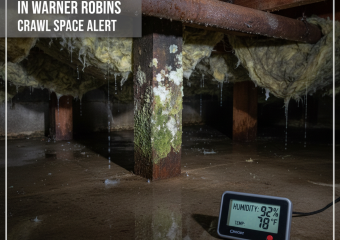
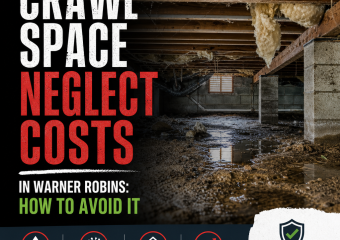
A crawl space can reveal a lot about the health of a house. Even small issues below the home can lead to major damage over time. Common problems include:

- Excess moisture and humidity
- Mold and mildew growth
- Wood rot and structural weakening
- Pest entry points
- Poor insulation or duct damage
- Standing water after heavy rain
In Warner Robins, where humidity and seasonal storms can create ideal conditions for hidden damage, regular inspections are especially important. Traditional inspections are useful, but they depend heavily on what the inspector can see in the moment. AI diagnostics add another layer of insight.
What AI diagnostics do in crawl space inspections
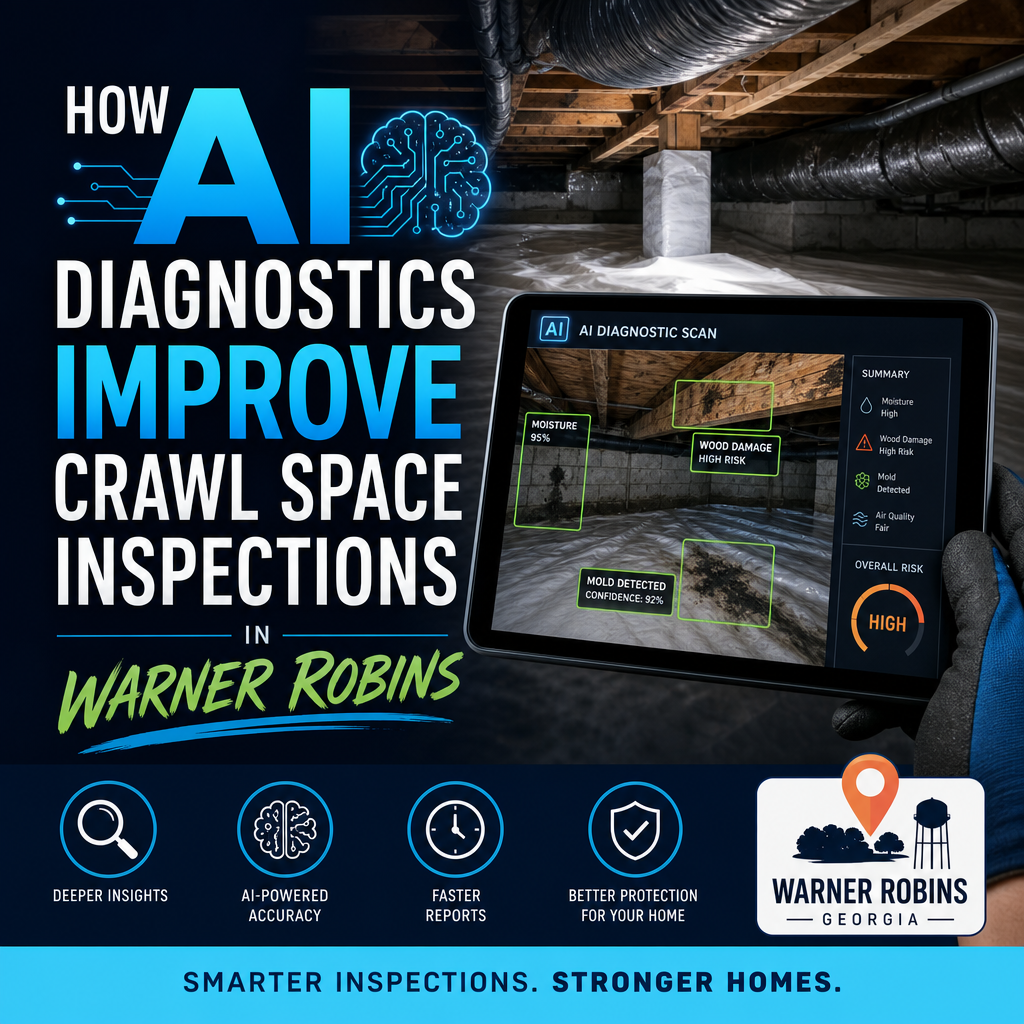
AI diagnostics use technology to analyze conditions in the crawl space more efficiently than manual observation alone. Instead of relying only on a visual check, inspectors can use tools that gather and interpret data in real time.
These tools may include:
- Moisture sensors
- Thermal imaging cameras
- Smart humidity monitors
- AI-powered image recognition
- Air quality detection systems
The system reviews patterns and flags signs of concern that might be missed during a basic inspection. For example, AI can detect unusual moisture trends, temperature differences that suggest leaks, or visual signs of mold and damage in photos.
Faster detection of hidden problems
One of the biggest benefits of AI diagnostics is speed. Problems in crawl spaces often develop in hard-to-see areas, such as behind insulation, under ducts, or along joists. AI tools can scan large amounts of data quickly and highlight areas that need attention.
This helps inspectors:
- Locate moisture issues earlier
- Identify possible leaks before they spread
- Spot mold growth in its early stages
- Detect pest activity or entry points
- Recognize structural movement or soft spots
When issues are caught sooner, repairs are usually less expensive and less disruptive. That is a major advantage for homeowners trying to protect their property value.
More accurate inspections
Human inspectors bring experience and judgment, but AI adds consistency. A person may overlook a small stain or dismiss a temperature difference as normal. AI diagnostics compare readings against patterns and thresholds, making it easier to identify abnormalities.
This creates a more accurate inspection process by:
- Reducing the chance of missed warning signs
- Comparing current conditions with previous reports
- Tracking changes over time
- Supporting findings with measurable data
For homeowners in Warner Robins, this is especially useful after heavy rain or long periods of high humidity. Conditions can change quickly, and data-based inspections help reveal whether the crawl space is improving or becoming more vulnerable.
Better documentation for homeowners
AI diagnostics also improve the reporting side of an inspection. Instead of receiving only general notes, homeowners may get detailed records that include sensor readings, thermal images, and visual comparisons.
This documentation makes it easier to:
- Understand the seriousness of a problem
- Compare before-and-after repair results
- Share information with contractors or insurance providers
- Monitor conditions during future inspections
Clear documentation can remove confusion and help homeowners make informed decisions. When a crawl space issue is explained with measurable data, it is easier to prioritize the next steps.
How AI supports prevention, not just repair
The best part of AI diagnostics is that they do more than identify current damage. They also help prevent future problems. By tracking environmental changes over time, AI systems can alert inspectors to trends that may lead to bigger issues later.
For example, a slow rise in humidity might indicate a failing vapor barrier or poor ventilation. Repeated moisture spikes could point to drainage concerns around the foundation. A gradual increase in temperature variation may suggest insulation damage or air leaks.
This preventive approach is valuable because it allows homeowners to address small issues before they turn into costly repairs.
Why Warner Robins homeowners should pay attention
Warner Robins homes face conditions that can make crawl spaces more vulnerable, including heat, humidity, and seasonal rainfall. These factors can increase the risk of condensation, mold, and water intrusion. In this environment, a basic inspection may not always be enough.
AI diagnostics give homeowners a smarter way to evaluate crawl space conditions and protect their homes long term. The combination of human expertise and technology offers a more complete view of what is happening below the surface.
Smarter inspections, stronger homes
AI diagnostics are changing the way crawl space inspections in Warner Robins are performed. With faster detection, better accuracy, and stronger documentation, homeowners gain more control over the condition of their property.
When hidden problems are found early, repairs are simpler, costs are lower, and the home stays healthier. For anyone who wants a more reliable crawl space inspection, AI is quickly becoming one of the most useful tools available.