
Crawl Space Moisture Control in Humid Climates Explained
The Science Behind Crawl Space Moisture Control in Humid Climates
Crawl space moisture control is one of the most important parts of protecting a home in a humid climate. When warm, damp air meets cooler surfaces beneath a house, moisture can collect quickly. Over time, that moisture can lead to mold growth, wood rot, higher energy bills, and poor indoor air quality.
Understanding the science behind this problem makes it easier to choose the right solution. Humidity is not just a comfort issue. In crawl spaces, it is a building science issue that affects the structure, efficiency, and health of the entire home.
Why Humid Climates Create Crawl Space Problems
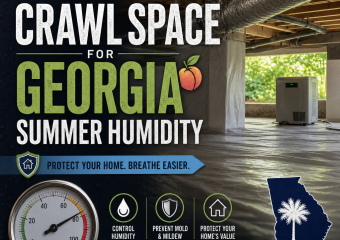
In humid regions, outdoor air contains a large amount of water vapor. That moisture moves into crawl spaces through vents, gaps, and openings in the foundation. Because crawl spaces are usually cooler than the outside air, the warm humid air often reaches its dew point and turns into liquid water on surfaces.

This process happens frequently in summer and during rainy seasons. Even if no standing water is present, the crawl space can still stay damp enough to support mold and decay.
Common sources of crawl space moisture
- Outdoor humid air entering through vents or cracks
- Ground moisture evaporating from exposed soil
- Plumbing leaks or drainage issues
- Condensation on ducts, pipes, and framing
- Poor grading or water runoff near the foundation
Each of these sources adds moisture to the air or materials below the home. Once that moisture builds up, the crawl space becomes a persistent problem rather than a temporary one.
The Role of Condensation and Dew Point
The science of moisture control starts with dew point. Dew point is the temperature at which air can no longer hold all the water vapor it contains. When air cools below that point, condensation forms.
In a crawl space, this often happens when hot outdoor air enters and contacts cooler wood, concrete, or metal surfaces. The result is water droplets on joists, ducts, insulation, and foundation walls.
This is why simply allowing more outside air into the crawl space does not always solve the problem. In humid climates, ventilation can actually bring in more moisture than it removes.
Why Traditional Ventilation Often Fails
For many years, crawl spaces were built with vents to help air circulate. The idea was that moving air would dry out the area. In dry climates, that can sometimes work. In humid climates, however, ventilation often makes things worse.
When warm moist air enters a cooler crawl space, it raises the humidity level instead of lowering it. The extra moisture can then settle on surfaces and feed mold and mildew.
Problems caused by too much ventilation
- Higher relative humidity
- More condensation on cool surfaces
- Increased risk of mold and wood decay
- Reduced effectiveness of insulation
- Greater strain on HVAC systems
A vented crawl space in a humid region may stay damp for most of the year. That makes long-term moisture control much harder.
The Science of Sealing and Encapsulation
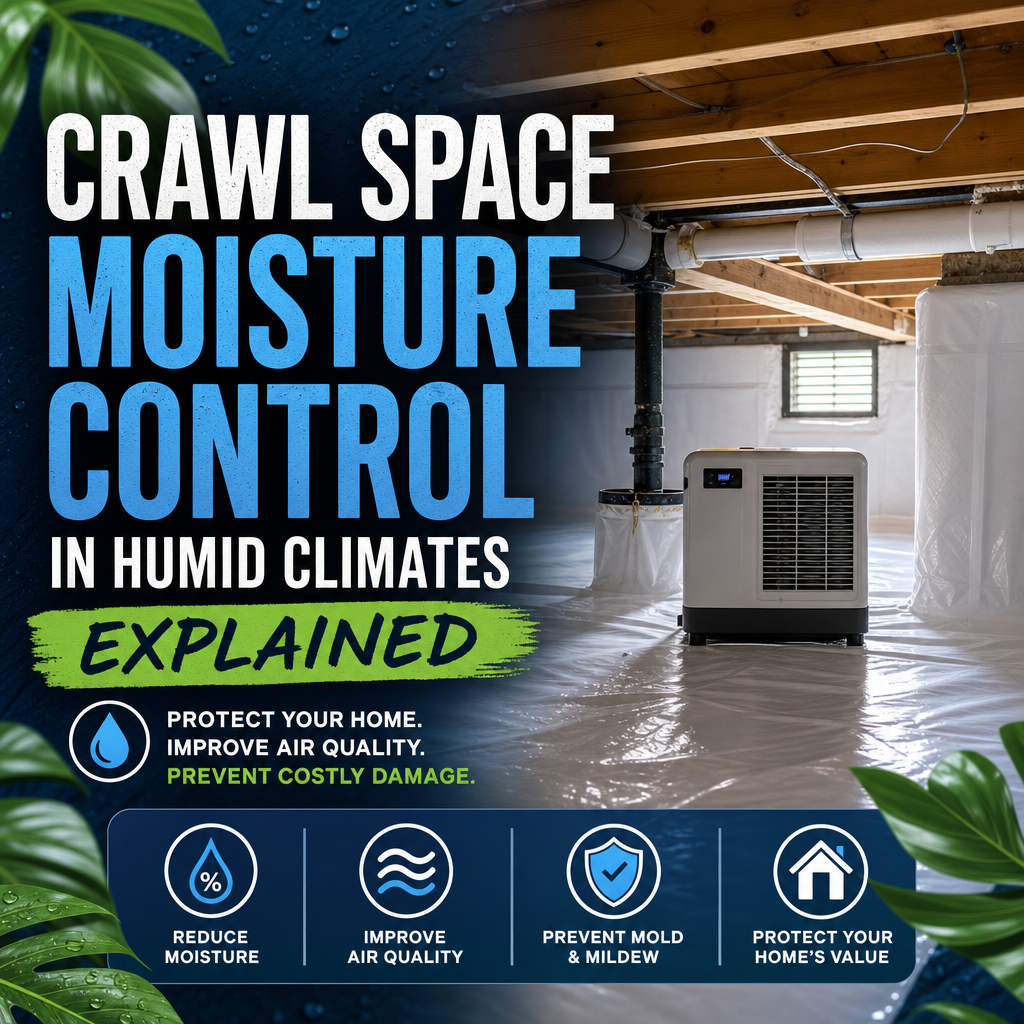
One of the most effective approaches to crawl space moisture control is sealing the space from outside air and ground moisture. This process is often called encapsulation.
Encapsulation typically includes:
- Installing a vapor barrier over the soil
- Sealing vents and foundation gaps
- Insulating walls or rim joists as needed
- Controlling humidity with a dehumidifier or conditioned air
- Improving drainage around the foundation
The goal is to create a controlled environment rather than one that constantly reacts to outdoor weather. By blocking moisture at the source, encapsulation reduces the chance of condensation and mold growth.
Why vapor barriers matter
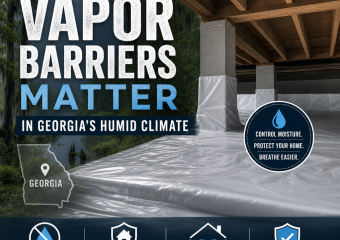
Bare soil in a crawl space can release a surprising amount of water vapor. Even when the soil looks dry, evaporation continues beneath the surface. A properly installed vapor barrier reduces that vapor release and helps keep the crawl space air much drier.
Relative Humidity and Material Damage
Relative humidity is the percentage of moisture in the air compared to the maximum the air can hold at that temperature. In crawl spaces, high relative humidity is a major warning sign.
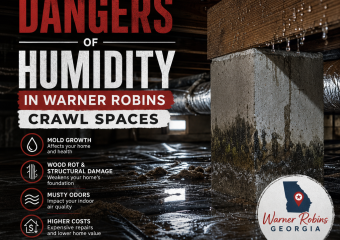
Most building materials begin to suffer when humidity stays elevated for long periods. Wood may absorb moisture and swell. Insulation can lose performance. Metal components can corrode. Mold can begin growing on organic materials when conditions remain damp.
Keeping relative humidity under control helps protect both the structure and the air quality inside the home.
How Moisture Moves Through a Home
A crawl space does not stay isolated. Moisture below the house can travel upward through air leaks, ductwork, and porous materials. That means a damp crawl space can affect the rooms above it.
This is especially important in homes with HVAC systems located in or near the crawl space. If ducts are exposed to high humidity, condensation may form on the outside or inside of the system. That can reduce efficiency and spread moisture throughout the home.
In other words, crawl space moisture is not just a foundation issue. It is part of the home’s overall air and energy system.
Best Practices for Moisture Control in Humid Climates
Effective crawl space moisture control depends on more than one fix. The best results usually come from a combination of prevention, sealing, and active humidity control.
Key best practices
-
Keep water away from the foundation
Gutters, downspouts, grading, and drainage should move water away from the house. -
Seal the crawl space
Close vents and gaps that allow humid air to enter. -
Install a continuous vapor barrier
Cover exposed soil and seal seams carefully. -
Control indoor crawl space humidity
Use a dehumidifier or conditioned air to keep moisture levels stable. -
Inspect regularly
Check for leaks, standing water, damaged insulation, and signs of mold.
These steps work together to reduce moisture at every stage, from the ground to the air.
A Dry Crawl Space Supports a Healthier Home
The science is clear: in humid climates, crawl space moisture control is about managing airflow, vapor movement, temperature, and humidity all at once. Ventilation alone is usually not enough, and in many cases it can increase moisture problems.
A sealed, dry, well-managed crawl space helps protect the structure of the home, improves energy efficiency, and supports healthier indoor air. By understanding how moisture behaves, homeowners can make smarter decisions and avoid expensive damage later on.